

Buying a Used CNC Machine: A 12-Point Inspection Checklist
A used machine can be a great capital decision or an expensive lesson. Here's the same checklist our own technicians run before any used machine goes on our floor.
A used CNC machine can be one of the best capital decisions a shop makes, or an expensive lesson, and the difference almost always comes down to what got inspected before the purchase — not the seller's word about condition. After decades of taking machines in on trade and reselling them ourselves, here is the checklist our own technicians run on every used machine before it goes on our floor.
1. Spindle hours and condition
Ask for the actual spindle hour meter reading, not an estimate, and compare it to the machine's age — a low-hour machine that's ten years old tells a very different story than a high-hour one that's three. Listen for the spindle at idle and under a light load; grinding, whining or excessive heat are all warning signs.
2. Crash history
Every shop has had a crash at some point. What matters is whether it was repaired properly and whether geometry was re-verified afterward. Ask directly, and ask to see any repair documentation.
3. Way and ballscrew wear
Run the machine through its full travel on each axis and check for backlash, binding, or unusual noise. Excessive backlash on ballscrews is expensive to correct and directly affects positioning accuracy.
4. Control and electronics
Confirm the control software version and whether the manufacturer still supports it. An outdated or discontinued control can mean no software updates and a harder search for replacement boards if something fails.
5. Tool changer function
Cycle the tool changer through a full swap sequence multiple times. Intermittent faults here are common on older machines and can be costly to diagnose once installed.
6. Coolant system and tank condition
Check for rust, sludge buildup, and pump function. A neglected coolant system is one of the cheaper things to fix before purchase and one of the most expensive to ignore afterward.
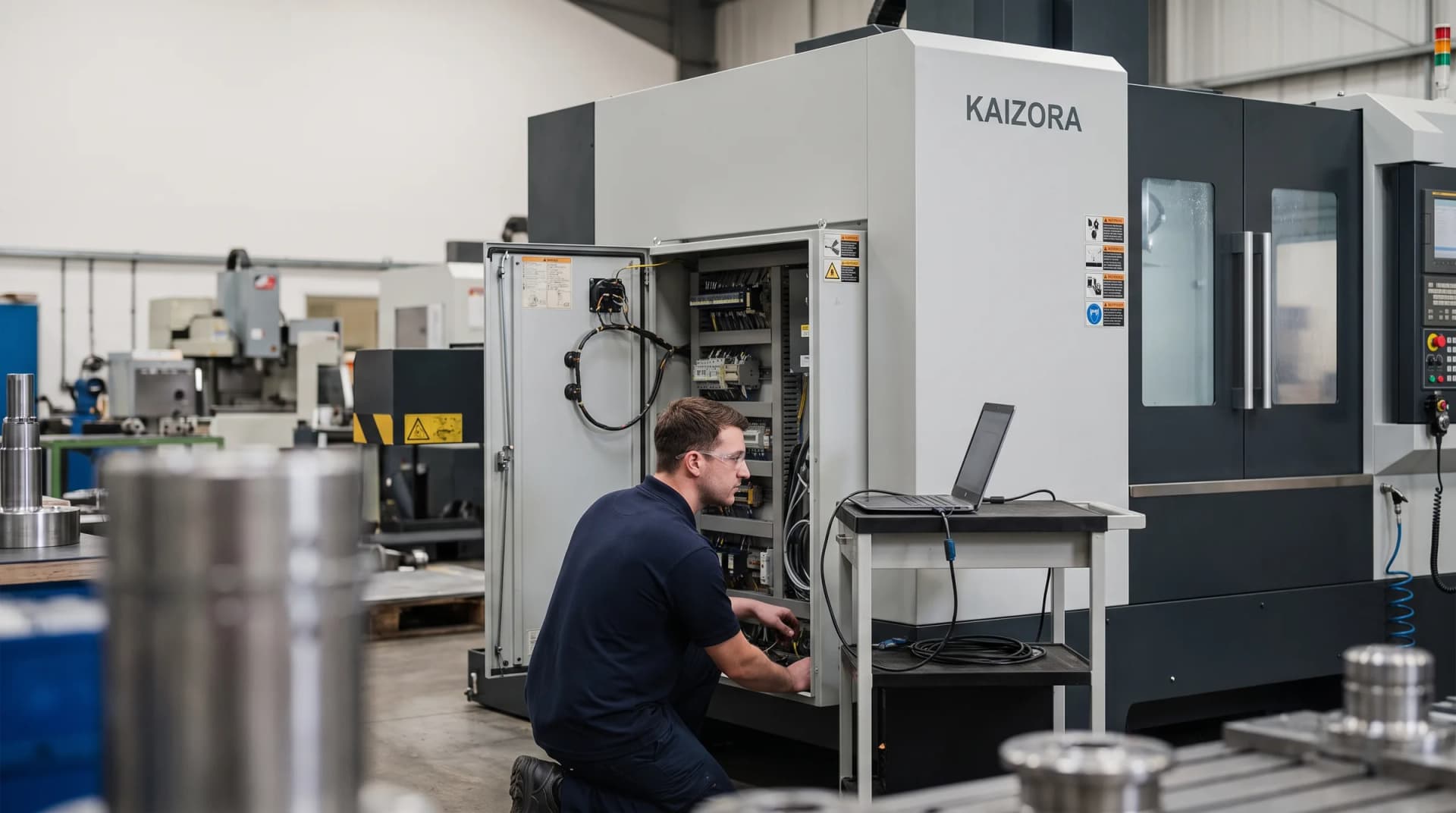
7. Electrical cabinet condition
Open the electrical cabinet and look for scorch marks, corrosion, rodent damage or aftermarket wiring that deviates from the original schematic. This is where hidden problems most often hide.
8. Geometry and accuracy verification
If possible, request a recent laser calibration or ballbar test report, or run a test part and measure it. This is the single most objective way to verify a machine performs to its rated accuracy.
9. Documentation and maintenance records
A machine with a documented service history is worth more, and tells you more, than one with none. Missing records aren't automatically disqualifying, but they shift more of the inspection burden onto you.
10. Rigging and installation requirements
Confirm the machine's weight, footprint and utility requirements (power, air, water) against your facility before you commit, not after delivery.
11. Parts and service availability
Confirm that the OEM, or a dealer like us, still stocks or can source parts for this specific model. A machine that runs perfectly today is only as good as your ability to keep it running next year.
12. Warranty and return terms
Understand exactly what warranty, if any, comes with the machine, and what happens if a problem surfaces in the first weeks of ownership. A reputable dealer will put this in writing.
Putting it together
| Category | Red flag | What it usually means |
|---|---|---|
| Spindle | Grinding noise, excessive heat | Bearing wear, near-term replacement needed |
| Axes | Backlash, binding | Ballscrew or way wear, costly to correct |
| Electrical | Scorch marks, aftermarket wiring | Possible history of undocumented repairs |
| Documentation | No service records | Higher inspection burden on the buyer |
Why this matters more on a private sale than through a dealer
Every used machine we sell across our five branches goes through this same checklist before it's listed, and we disclose spindle hours, service history and known condition issues directly in the listing — you can see this on our current used equipment. A private sale can still be a good deal, but you're taking on the inspection work yourself, or paying a third party to do it.
If you're evaluating a used machine — ours or someone else's — our service team is happy to talk through what to check and what a given answer actually means for the machine's remaining life.
FAQ
Common questions
Short answers to the questions we are asked most about this topic.
It's the best single indicator available, though it should be read alongside the machine's age and any crash history rather than in isolation. A dealer-inspected used machine, like the ones we list, will have this verified rather than taken on the seller's word.
Yes, if one exists. If it doesn't, running a test part and measuring the result is the next best objective check before you commit to a purchase.
Not automatically, but they warrant more questions. A well-documented repair by a qualified technician is very different from undocumented field modifications, and the difference is usually visible in the cabinet itself.
Yes. Every used machine listed across our branches goes through this same checklist, and known condition issues are disclosed directly in the listing rather than left for the buyer to discover.